The rich text element allows you to create and format headings, paragraphs, blockquotes, images, and video all in one place instead of having to add and format them individually. Just double-click and easily create content.
A rich text element can be used with static or dynamic content. For static content, just drop it into any page and begin editing. For dynamic content, add a rich text field to any collection and then connect a rich text element to that field in the settings panel. Voila!
Headings, paragraphs, blockquotes, figures, images, and figure captions can all be styled after a class is added to the rich text element using the "When inside of" nested selector system.
The rich text element allows you to create and format headings, paragraphs, blockquotes, images, and video all in one place instead of having to add and format them individually. Just double-click and easily create content.
A rich text element can be used with static or dynamic content. For static content, just drop it into any page and begin editing. For dynamic content, add a rich text field to any collection and then connect a rich text element to that field in the settings panel. Voila!
Headings, paragraphs, blockquotes, figures, images, and figure captions can all be styled after a class is added to the rich text element using the "When inside of" nested selector system.


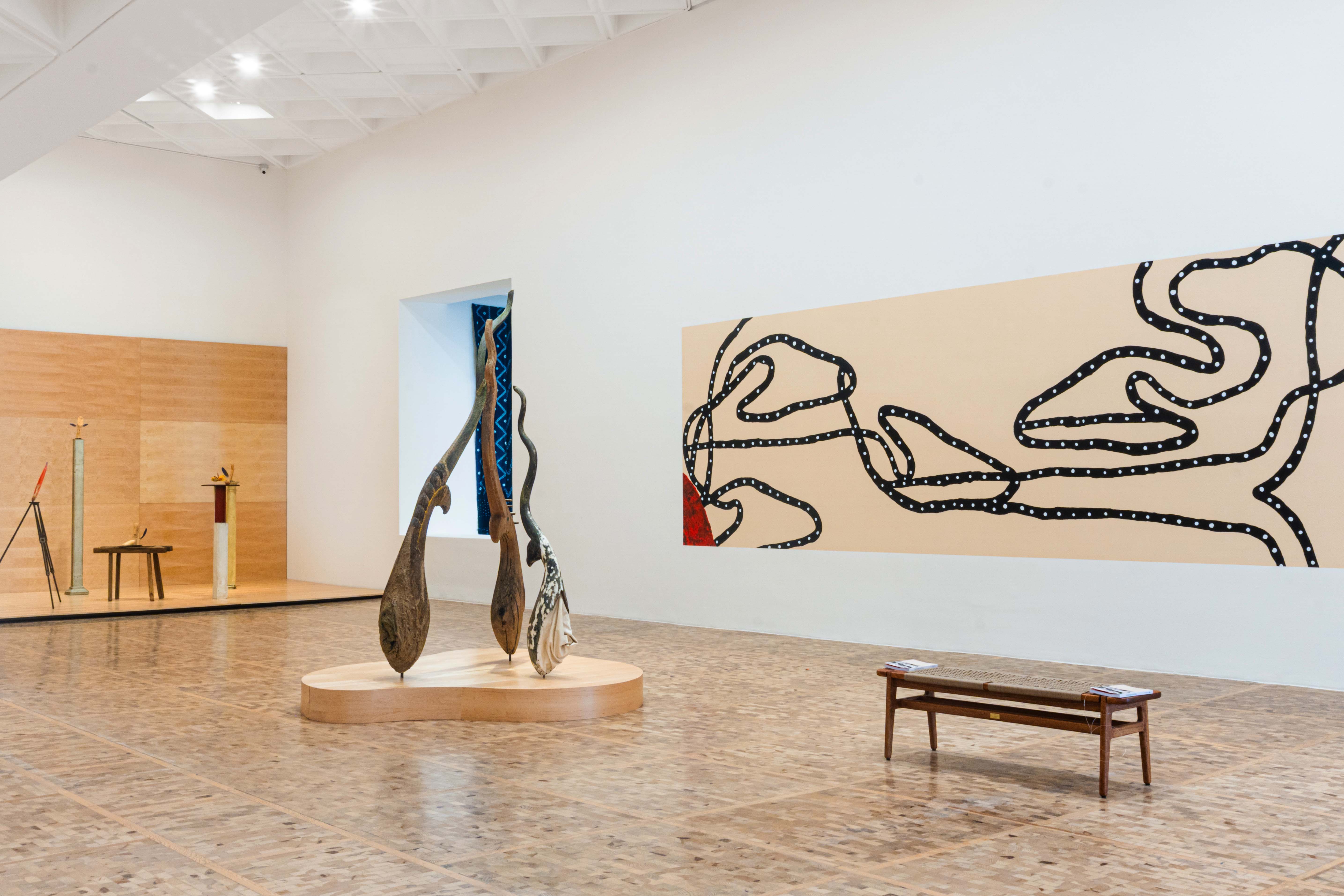
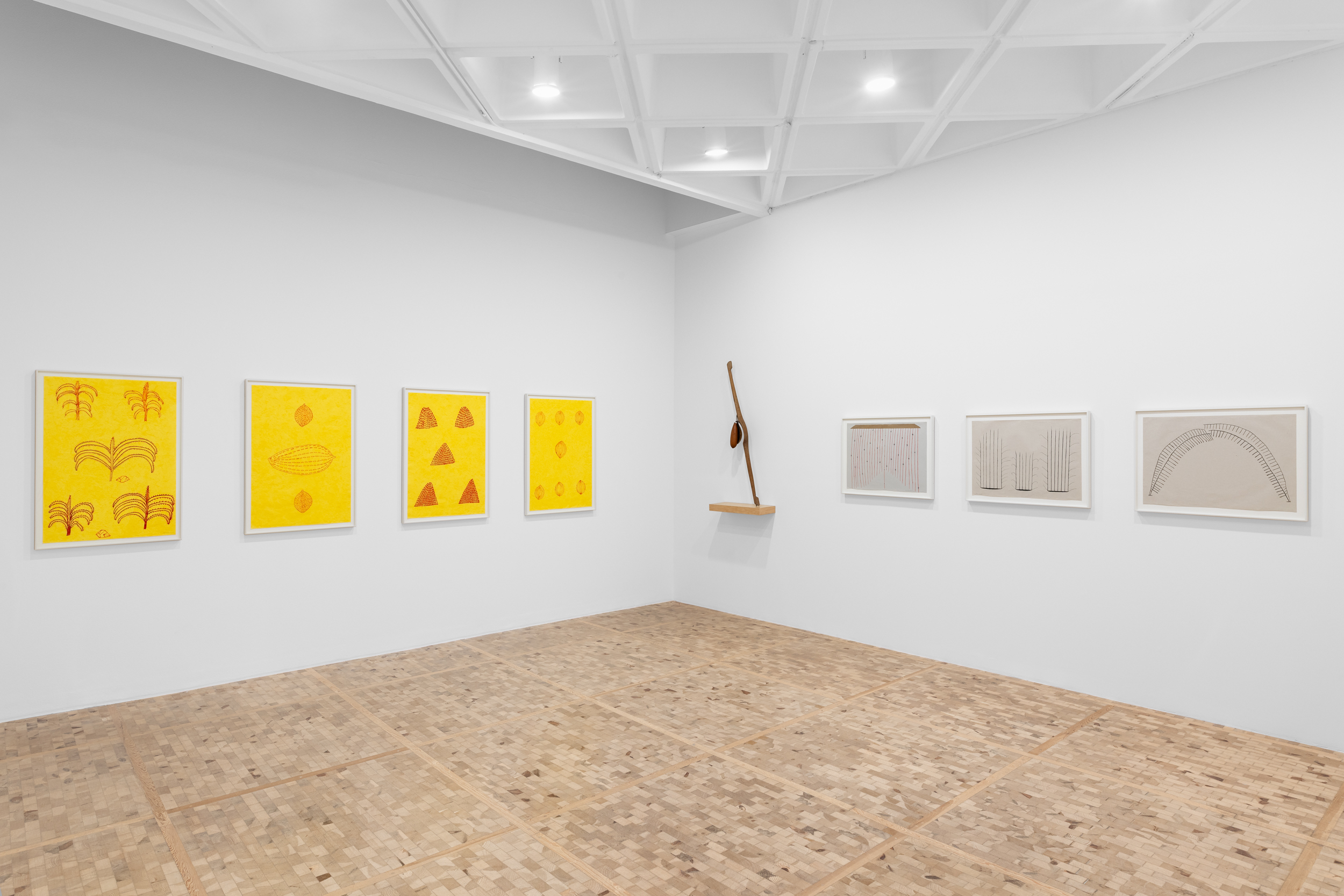
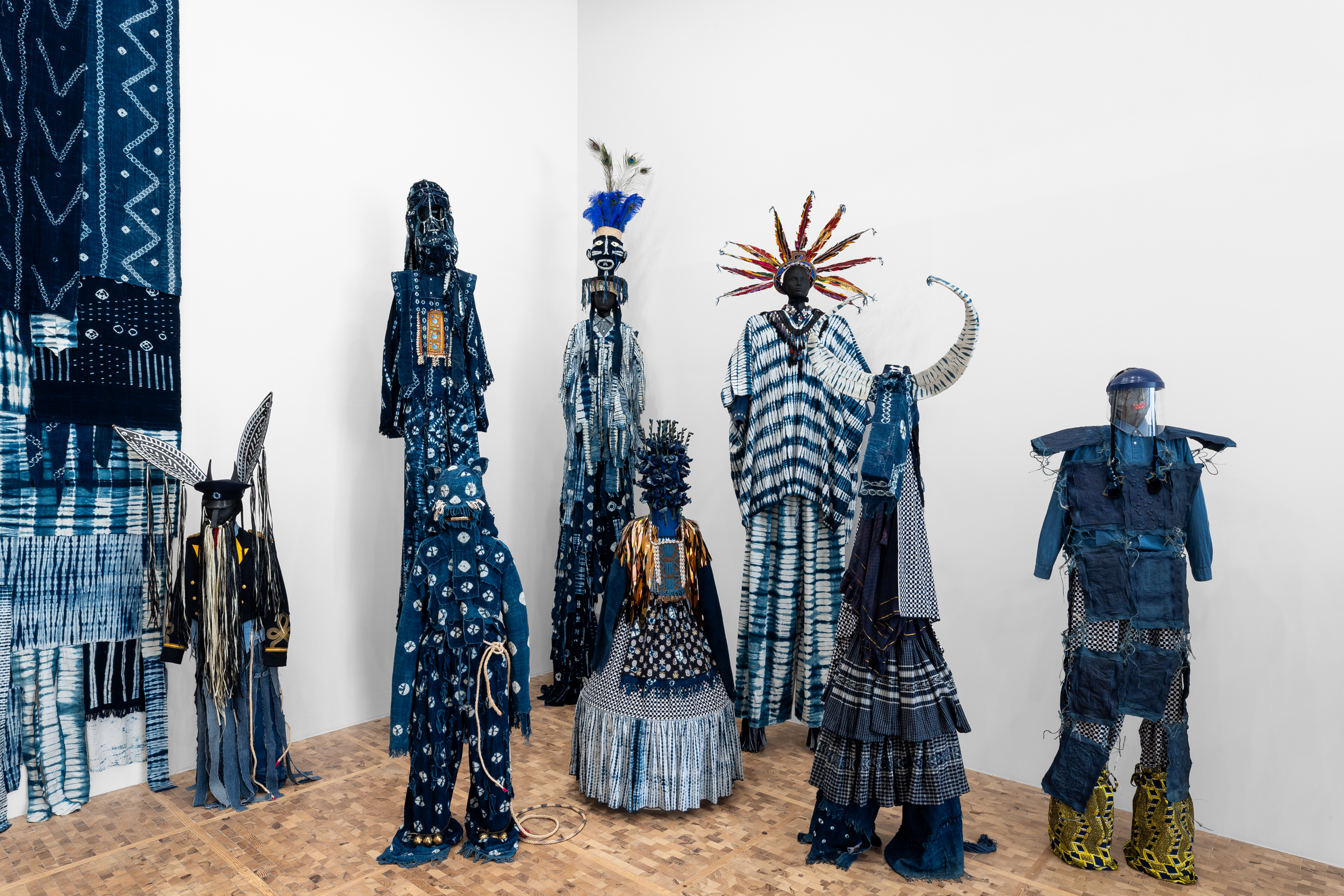
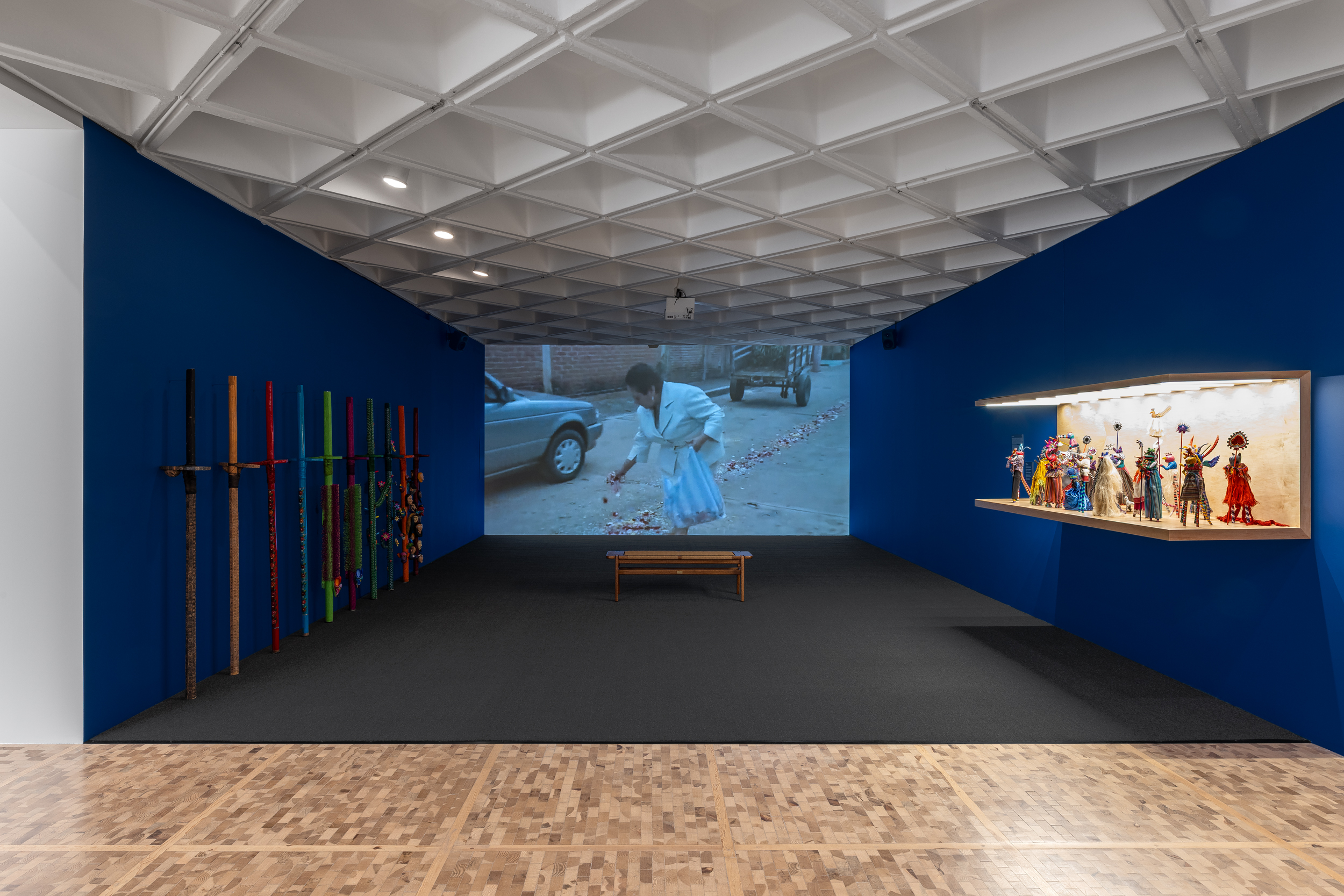
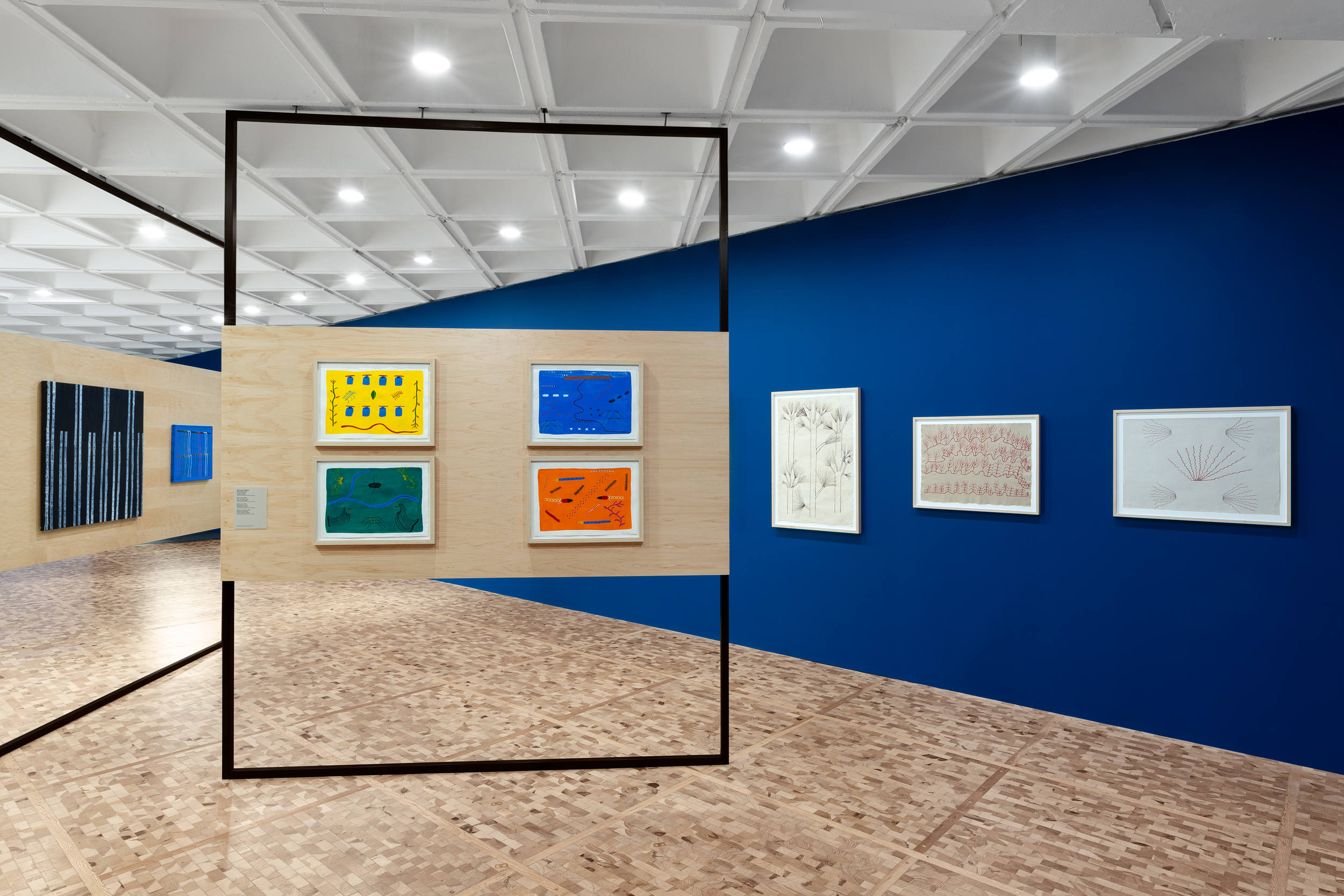
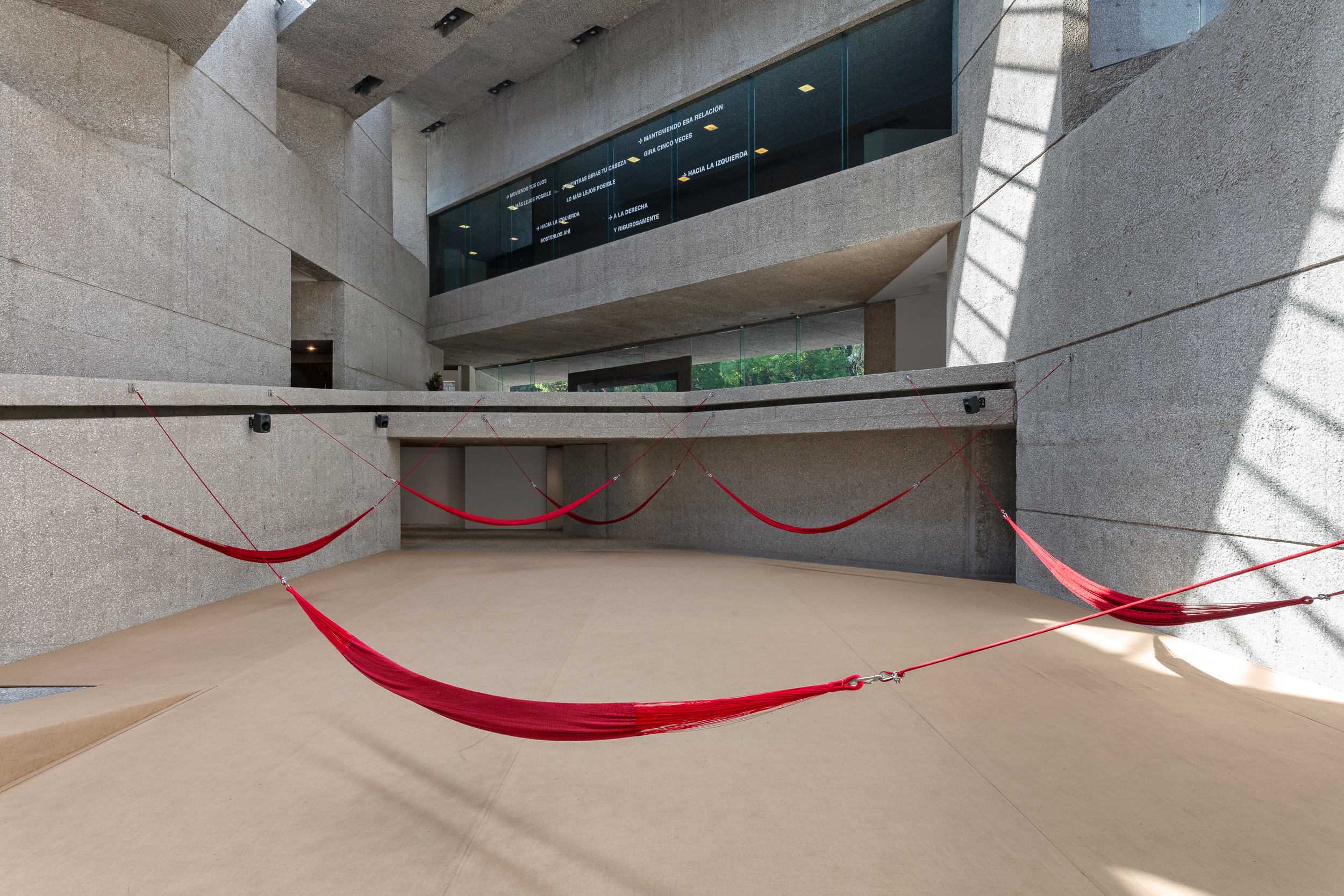
The Museo Tamayo opens its 2026 exhibition program with Wayamou: Common Tongues, which brings together works by Laura Anderson Barbata (Mexico, 1958) and Sheroanawe Hakihiiwe (Sheroana, Venezuela, 1971), artists who share an interest in spirituality, cosmogony and nature, and materializes in the exchange of knowledge as an essential practice for cohabiting the world.
During her first visit to Mahekoto-Theri (Platanal), State of Amazonas, Venezuela, Laura learned the art of canoeing from the Ye'kuana people. They, following the principle of “reciprocity”, invited him to teach them something in return. The artist then gave a workshop to make handmade paper with natural fibers attended by young people and children from other communities, including the young Yanomami Sheroanawe Hakihiiwe, who decided to become an artist based on this transformative experience.
In 1992, together they founded the project Yanomami Owë Mamotima (The Yanomami art of making paper) as an initiative for the community to narrate the Yanomami story with their own voice, and not from the colonial, religious or anthropological projects that had been established in the area for decades. One of the most relevant publications was Shapono (Casa) from 1996, an artisanal book made of vegetable fibers that contains the story of the origin of collective housing.
Anderson Barbata traveled to the Amazon for a decade, making sculptures and drawings that critically mix aspects of nature, religion and the spiritual. Later he worked with communities in Trinidad and Tobago, Oaxaca and New York. Under the concept of “transcommunality”, which focuses on reciprocity and hospitality as areas of social and artistic convergence, Laura's work extends to performance, dance and textile design. In them, it summons musicians and artisans to carry out street processions as political acts that denounce racism, endangered ecologies and promote social justice.
Sheroanawe Hakihiiwe, after her experience of making paper, began a long quest to visually translate the ecosystem of the Amazon rainforest. His first drawings captured the microscopic world of animals and plants and were based on the symbols used in basketry and the language of Yanomami body painting. Later, the artist transferred stories of the social and ritual life of his culture to paper and worked on works guided by the voice of the shaman, which delved into dreams and the spiritual.
In the Yanomami language (spoken mainly in Brazil and Venezuela), Wayamou is a ceremonial dialogue between two people who keep the peace and resolve social and political conflicts. The dialogue between the two artists and the work that comes together in this exhibition add to their work as spokespersons for territorial, ecological and cultural crises that put ecosystems and ancestral knowledge at risk. His artistic practice is an act of memory and also of resistance.
Curator: Andrea Torreblanca and Abril Zales.
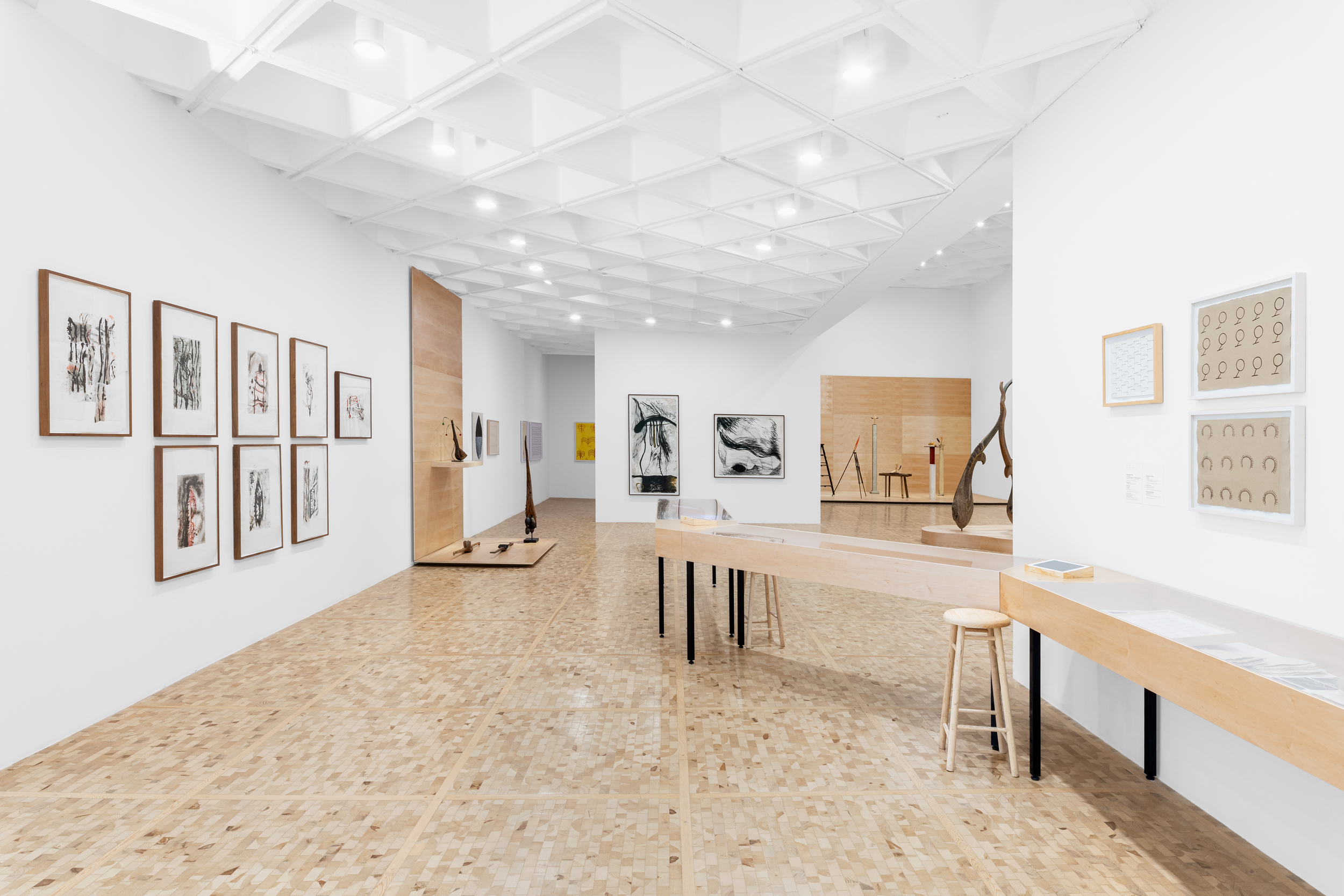
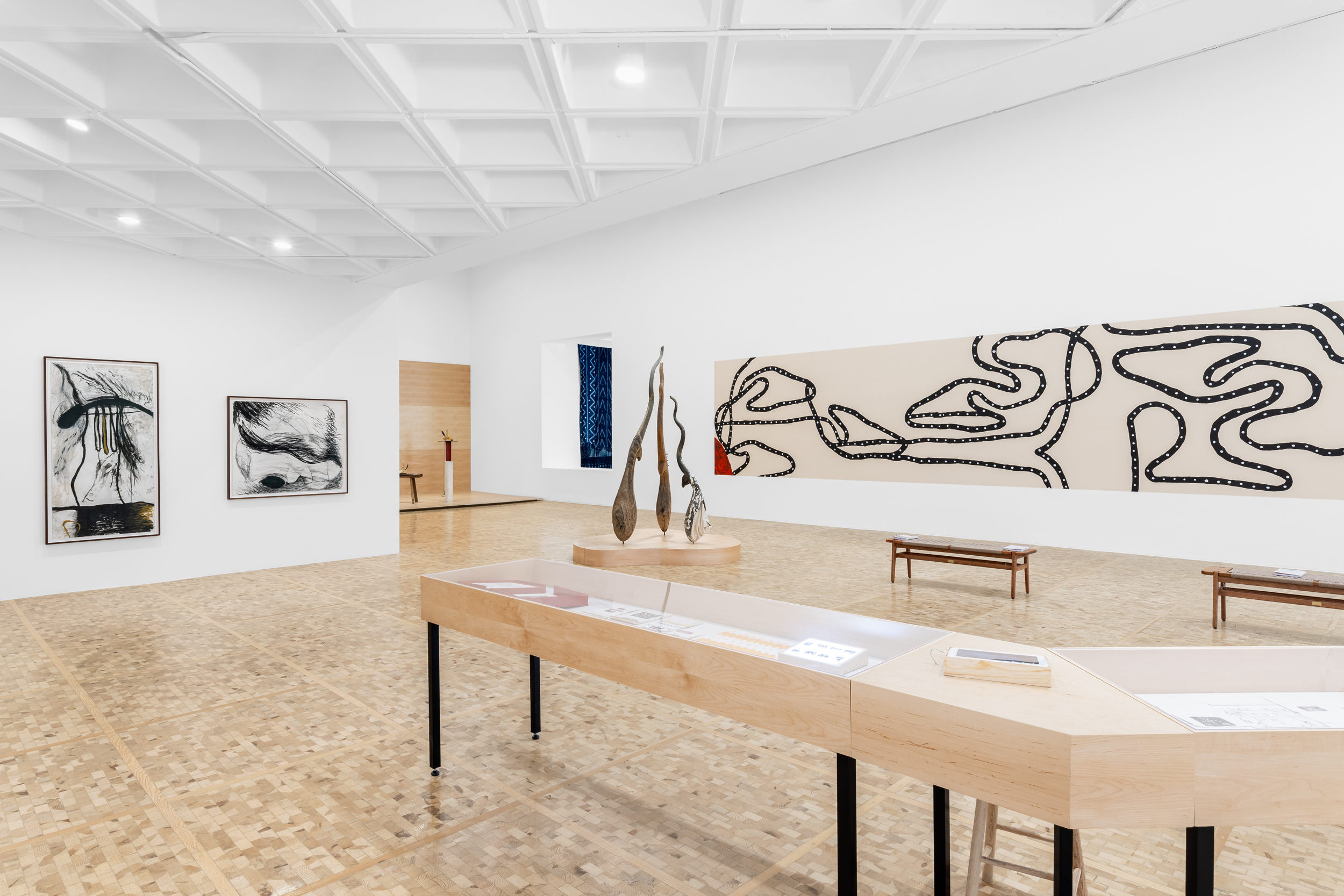
Exhibition views:
Photographs by Gerardo Landa and Eduardo López (GLR Studio)
Para socializar la heterogeneidad de voces que construyen la exposición colectiva OTRXS MUNDXS y profundizar en el discurso de las obras exhibidas en el Museo Tamayo, le pedimos a lxs artistas que nos hablen acerca de los conceptos o ideas que son importantes para expandir los discursos o motivaciones de su práctica.


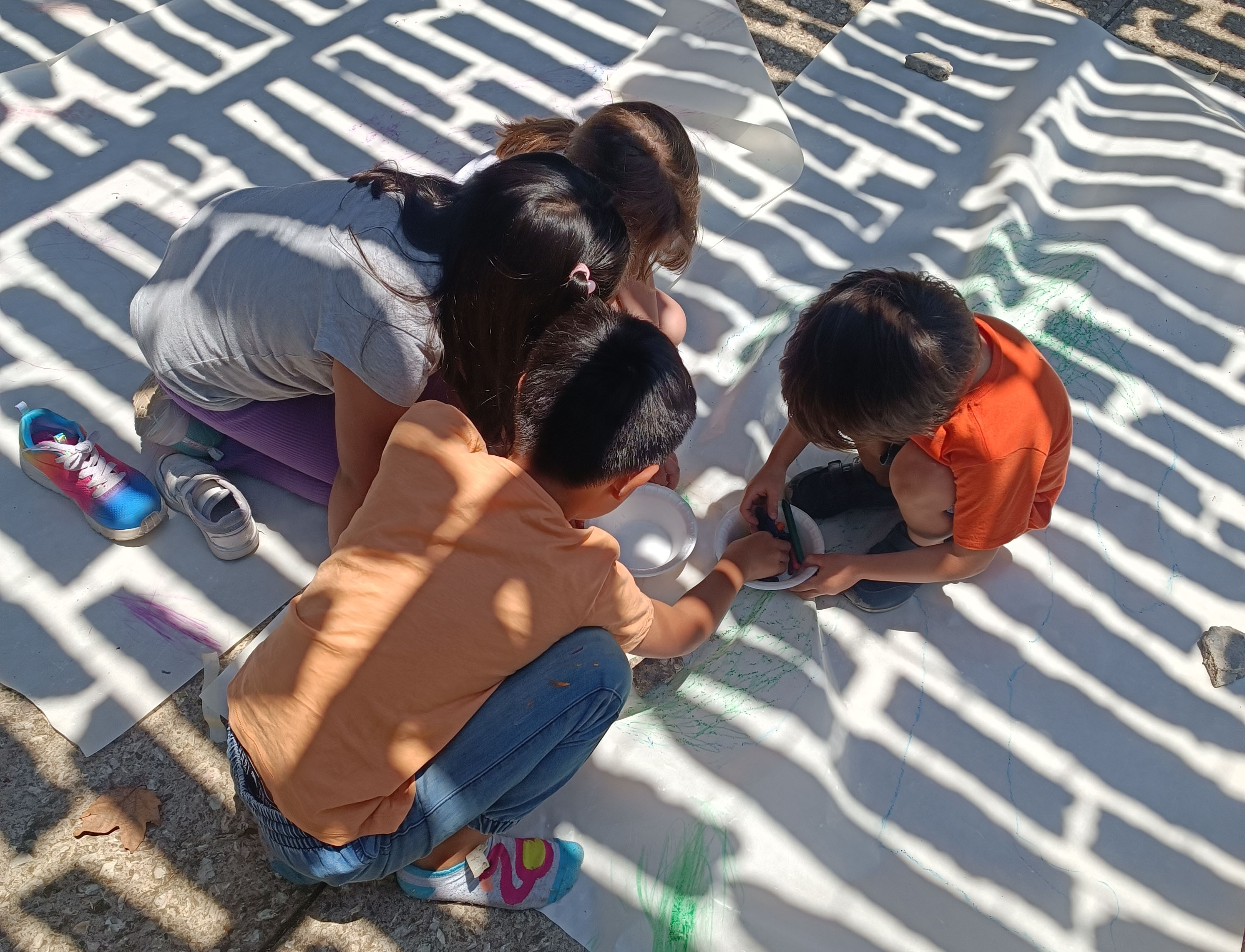
Taught by the collective Estudio Nómade, the workshop is an invitation for girls and boys to play, imagine and explore how to tell their own story by creating large books. The activities are inspired by the exhibition Wayamou: Common Tongues. Girls and boys will play with drawings, words, colors, papers and stamps in large publications with which they will integrate an installation that will be mounted on the museum's esplanade. Then they can take their books home.
At the end of the workshop, we will carry out a participatory exercise where girls and boys will prepare a visual manifesto about the activities and experiences they want to see in the museum's programming.
Estudio Nómade. Collective formed by Elvia González (theater director and interdisciplinary artist) and Carlos Villa Juárez (designer), who combine their disciplines to create a space for creation, play, imagination, exchange of ideas, art and speculation, where creative capacity and sensitivity are highlighted as something natural in each of us. The Studio implements exercises that combine disciplines such as visual arts, cinema, theater, literature, illustration and editorial design, in order to generate a novel and playful space, in which participants discover other ways of creating to bring them into everyday practice. The collective has given workshops at the Museo Universitario de Arte Contemporáneo, at the Palacio de la Autonomía, Universo de Letras de la UNAM, Arte Abierto, Espacio Báltico, Centro de Cultura Digital, Museo de Arte Carrillo Gil, Biblioteca Vasconcelos, Centro Cultural Helénico, Palacio de Medicina, Universidad Iberoamericana, among others.
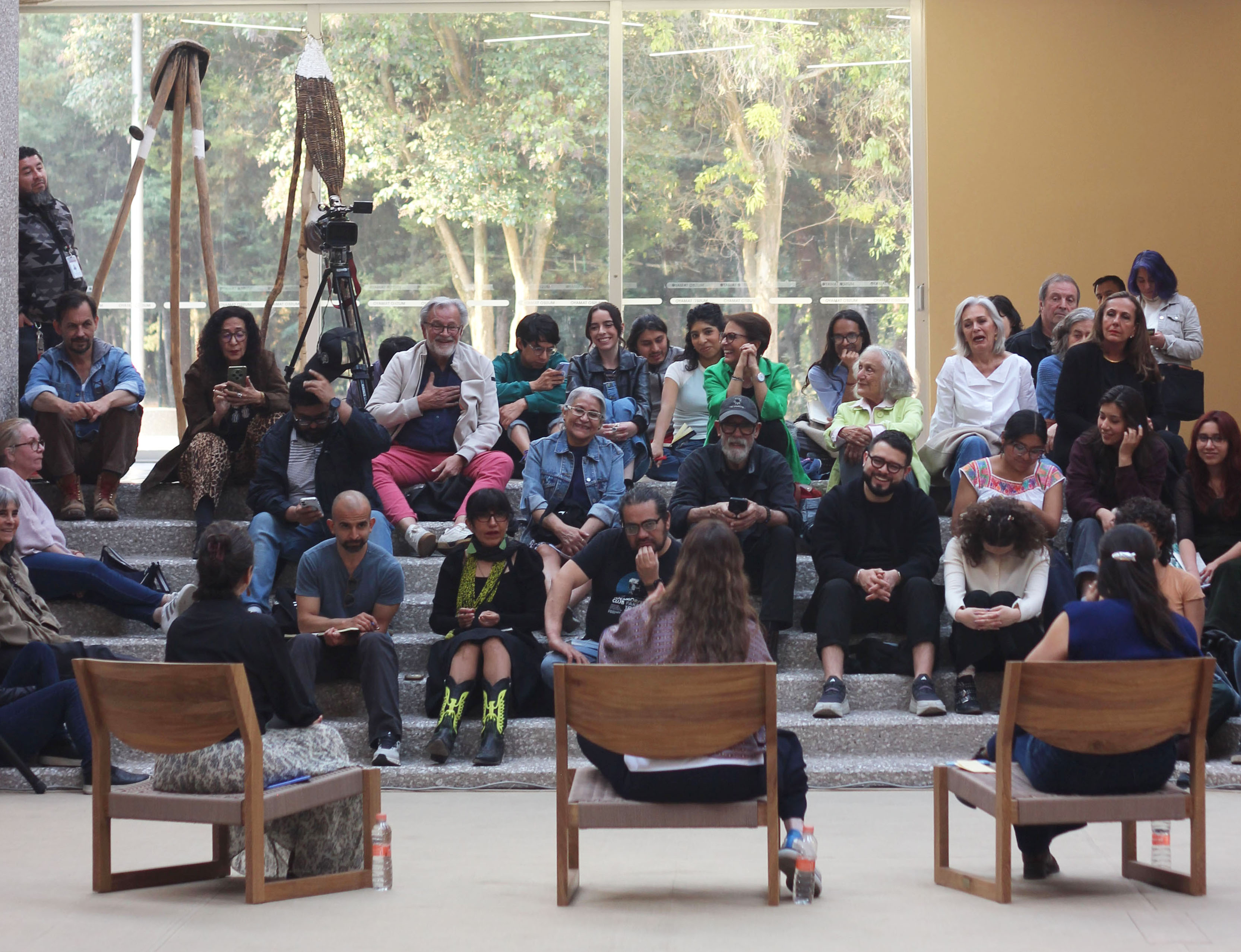
In this talk, the artist Laura Anderson Barbata will exchange knowledge with the writer Marina Azahua about community work. They will discuss lessons learned when preparing the exhibition Wayamou: Common Tongues and will refer to the importance of dialogue with artists such as Sheronanawe Hakiihiwe and with communities such as that of stilts in Mexico and other countries.
Laura Anderson Barbata (Mexico City, 1958) is a transdisciplinary artist. She lives and works between New York and Mexico City. Since 1992, her practice has been deeply committed to social and community projects developed in the Venezuelan Amazon, Trinidad and Tobago, Norway, the United States and in her native country. One of her most significant ongoing projects is Transcommunality (2001- to date), a collaborative initiative involving stilt dancers, artists and artisans from Mexico, New York and the Caribbean. Her work is part of important private and public collections in the American Union, such as the Metropolitan Museum of Art, the Harvard Art Museums/Fogg Museum, Cambridge, Massachusetts, the Museum of Contemporary Art, San Diego; the Museum of Latin American Art (MOLAA), Long Beach, California, among others. She has received numerous awards, including the artistic residency at the Rockefeller Foundation's Bellagio Center (2019), the Anonymous Was a Woman Award (2016), and the Award for the Defense of Human Rights (2017), among others. She currently teaches classes in the Art, Culture, and Technology program at MIT, in Cambridge.
Marina Azahua (Mexico City, 1983) is a writer, editor, translator and anthropologist. Her work reflects on archival gestures, the politics of representation, the effects of violence and the forms of collective resistance that arise in the face of it. She is the author of Ausencia compartida. Formas de mirar (Universidad Nacional Autónoma de México, 2025), Retrato involuntario. El acto fotográfico como forma de violencia (Tusquets Editores, 2014) and the novel Archivo agonía (Sexto Piso, 2024). She studied History at the UNAM. She has a master's degree in creative writing and editing from the University of Melbourne and a doctorate in Anthropology from Columbia University. She received the Premio Interamericano de Literatura Carlos Montemayor (2015) and won the Certamen Internacional de Literatura Sor Juana Inés de la Cruz of the State of Mexico (2012). She was a fellow at the Fondo Nacional para la Cultura y las Artes y de la Fundación para las Letras Mexicanas. In 2015 she co-founded Ediciones Antílope and is currently a member of the Sistema Nacional de Creadores de Arte.
The Museo Tamayo opens its 2026 exhibition program with Wayamou: Common Tongues, which brings together works by Laura Anderson Barbata (Mexico, 1958) and Sheroanawe Hakihiiwe (Sheroana, Venezuela, 1971), artists who share an interest in spirituality, cosmogony and nature, and materializes in the exchange of knowledge as an essential practice for cohabiting the world.
During her first visit to Mahekoto-Theri (Platanal), State of Amazonas, Venezuela, Laura learned the art of canoeing from the Ye'kuana people. They, following the principle of “reciprocity”, invited him to teach them something in return. The artist then gave a workshop to make handmade paper with natural fibers attended by young people and children from other communities, including the young Yanomami Sheroanawe Hakihiiwe, who decided to become an artist based on this transformative experience.
In 1992, together they founded the project Yanomami Owë Mamotima (The Yanomami art of making paper) as an initiative for the community to narrate the Yanomami story with their own voice, and not from the colonial, religious or anthropological projects that had been established in the area for decades. One of the most relevant publications was Shapono (Casa) from 1996, an artisanal book made of vegetable fibers that contains the story of the origin of collective housing.
Anderson Barbata traveled to the Amazon for a decade, making sculptures and drawings that critically mix aspects of nature, religion and the spiritual. Later he worked with communities in Trinidad and Tobago, Oaxaca and New York. Under the concept of “transcommunality”, which focuses on reciprocity and hospitality as areas of social and artistic convergence, Laura's work extends to performance, dance and textile design. In them, it summons musicians and artisans to carry out street processions as political acts that denounce racism, endangered ecologies and promote social justice.
Sheroanawe Hakihiiwe, after her experience of making paper, began a long quest to visually translate the ecosystem of the Amazon rainforest. His first drawings captured the microscopic world of animals and plants and were based on the symbols used in basketry and the language of Yanomami body painting. Later, the artist transferred stories of the social and ritual life of his culture to paper and worked on works guided by the voice of the shaman, which delved into dreams and the spiritual.
In the Yanomami language (spoken mainly in Brazil and Venezuela), Wayamou is a ceremonial dialogue between two people who keep the peace and resolve social and political conflicts. The dialogue between the two artists and the work that comes together in this exhibition add to their work as spokespersons for territorial, ecological and cultural crises that put ecosystems and ancestral knowledge at risk. His artistic practice is an act of memory and also of resistance.
Curator: Andrea Torreblanca and Abril Zales.
Image credit:
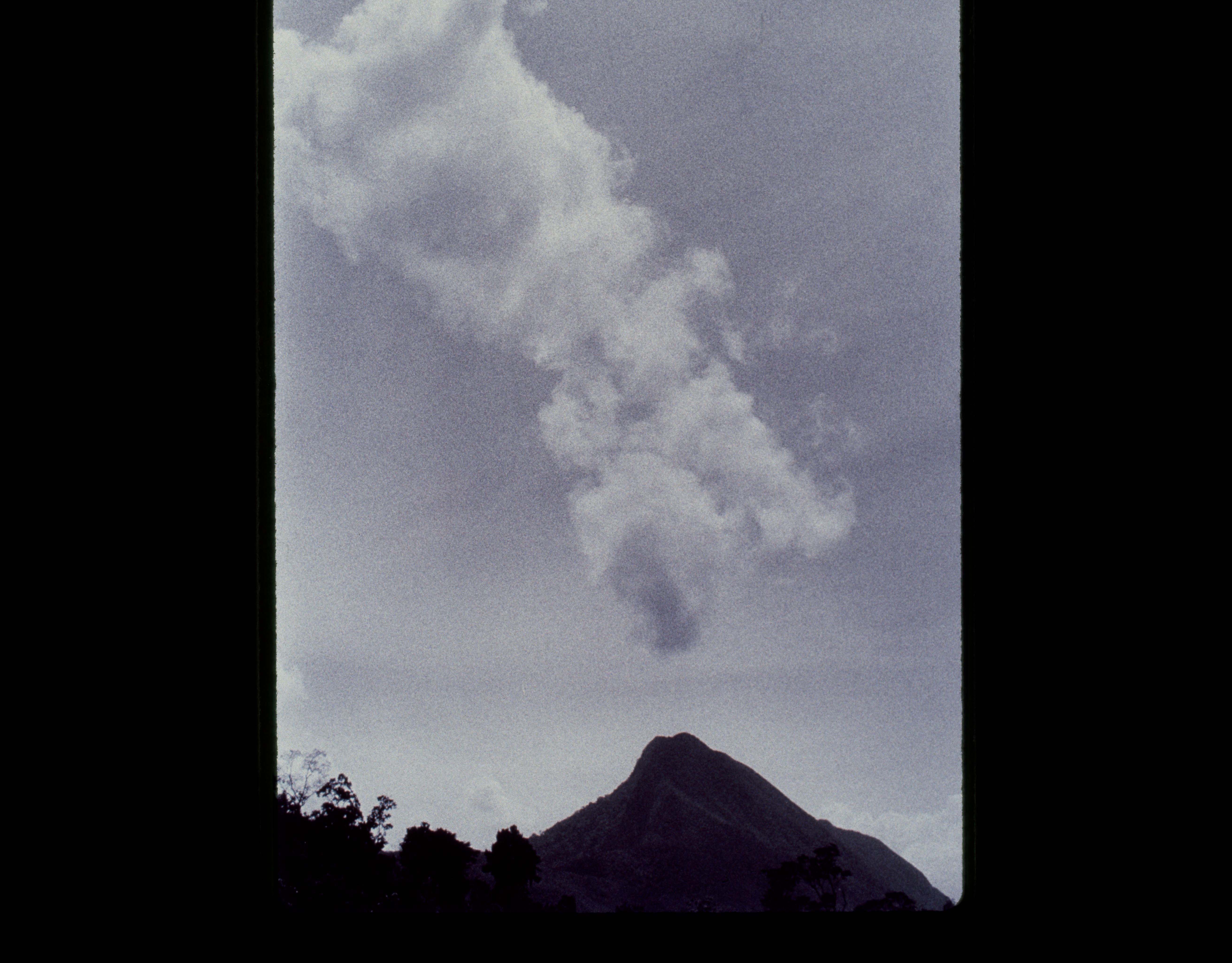
Laura Anderson Barbata, Memory is a Porous Archive, 1994-2005/2023. Photo: Courtesy of the artist.